Green Strategies for the mountain areas
POLAND - CARPATHIAN MOUNTAINS
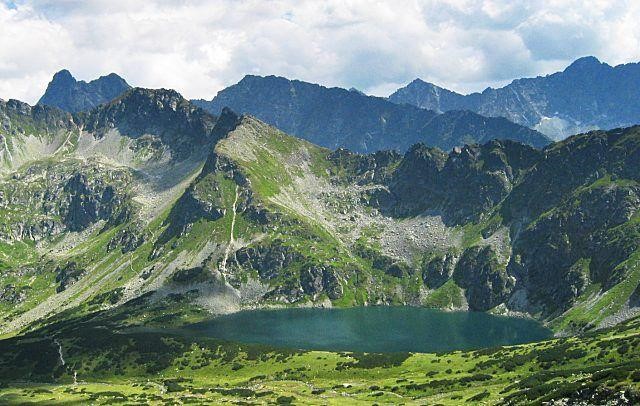
The Carpathian Mountains form one of the most important mountain systems in Europe. In Poland, the Carpathians are associated with biodiversity, forests, pastoral landscapes, traditional villages, and highland culture. They are part of a wider transnational mountain region, which makes cooperation between countries essential.
The Carpathian Convention provides an important policy framework for the protection and sustainable development of this region. It promotes biodiversity conservation, sustainable tourism, cultural heritage protection, sustainable forestry, and cooperation among mountain communities. This is relevant for Poland, because the Polish Carpathians cannot be understood as a national landscape; they are part of a wider ecological and cultural system. The Polish Carpathians face challenges such as land-use change, infrastructure pressure, forest management conflicts, climate change, and tourism concentration in popular destinations. However, they also offer significant opportunities. Traditional highland culture, pastoralism, wooden architecture, local music, crafts, and food products create a strong basis for rural and cultural tourism. (European Environment Agency [EEA], 2020; IPCC, 2022).
A green strategy for the Polish Carpathians should support community-based tourism, sustainable mobility, protection of wildlife corridors, preservation of traditional pastoral landscapes, and promotion of local products. Tourism can play a positive role if it supports local families, cooperatives, and small enterprises, rather than creating mass tourism models that place pressure on the environment. (UNWTO, 2021; FAO, 2022; IUCN, 2020).