Green Strategies for the mountain areas
GREECE - MOUNT OLYMPUS
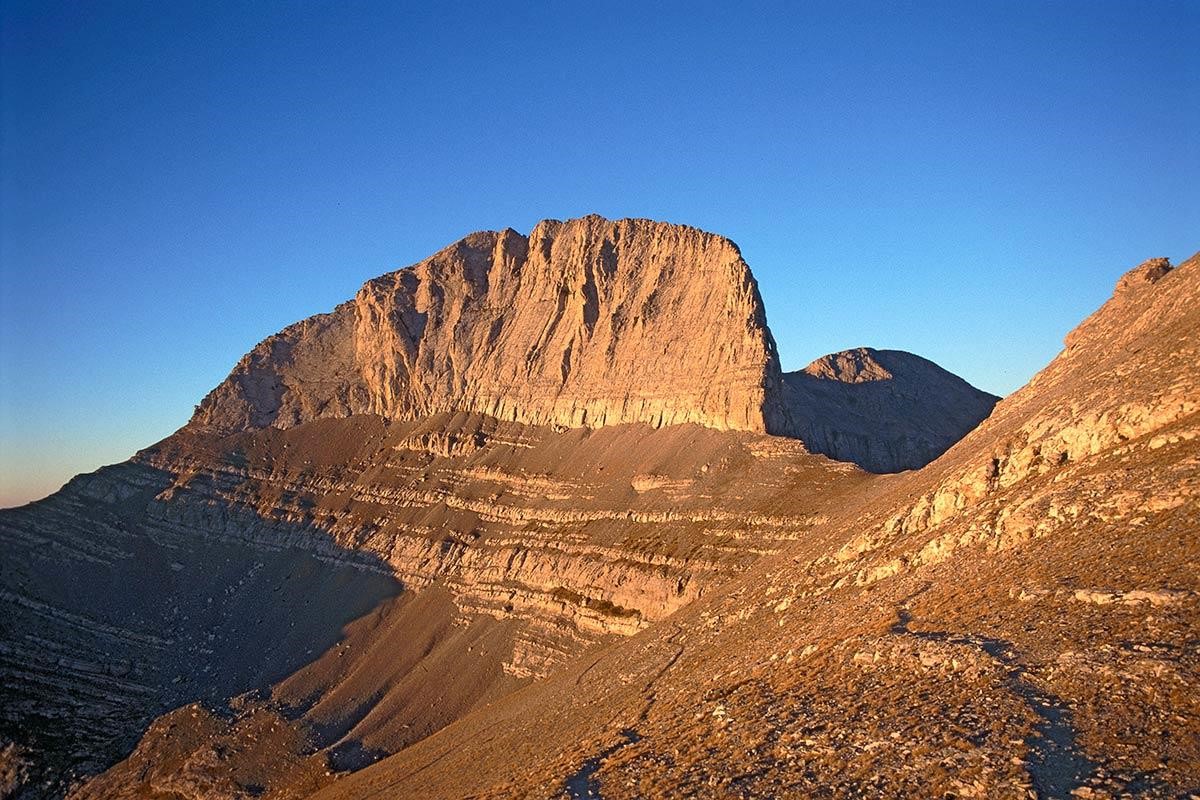
Mount Olympus is the highest mountain in Greece and one of the most emblematic mountains in Europe. Its importance is both ecological and cultural. From an environmental perspective, Olympus is known for its rich biodiversity, varied altitude zones, and high number of endemic plant species. Its location between the Aegean coast and the inland mountain mass creates different microclimates, allowing many habitats to coexist within a relatively limited area. (UNESCO, n.d.; European Environment Agency [EEA], 2020). The ecological value of Olympus is closely linked to its status as a protected area. Conservation policies focus on the protection of habitats, species, forest ecosystems, and sensitive alpine zones. The mountain is also exposed to pressures that are common in many Mediterranean mountain areas, including climate change, wildfire risk, erosion, unmanaged visitor flows, and pressure on popular hiking routes.
From a cultural perspective, Olympus has a unique identity as the mythical home of the ancient Greek gods. This gives the mountain a symbolic value that extends far beyond national borders. Visitors do not approach Olympus only as a hiking or nature destination, but also as a place connected with mythology, ancient religion, storytelling, and collective European memory. This creates an important opportunity for sustainable tourism strategies that combine environmental interpretation with cultural education
A green strategy for Mount Olympus should therefore focus on balancing access and protection. Tourism can support local communities in nearby villages, but it should be carefully managed so that trails, forests, and sensitive habitats are not degraded. Sustainable guiding, environmental education, visitor limits in sensitive areas, interpretation centres, waste reduction, and cooperation with local producers can strengthen the role of Olympus as a model mountain destination. (European Commission, n.d.; EEA, 2020; IPCC, 2022).