Sustainability and Resilience Report
Waste Management
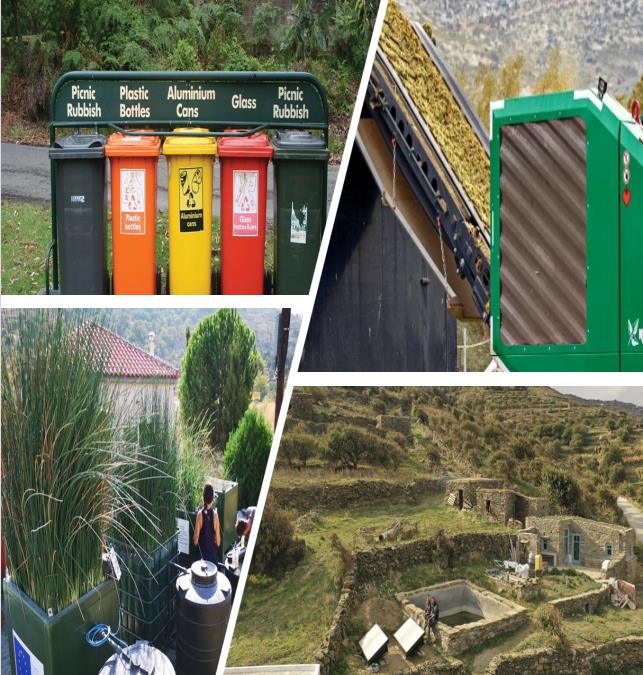
Waste management in mountain areas represents a critical challenge due to increasing tourism activity, limited infrastructure and the ecological sensitivity of these environments. Improper waste disposal can lead to soil and water contamination, biodiversity loss and long-term environmental degradation. Within the framework of the PeakED project, waste management is approached as a key component of sustainability and resilience in mountain ecosystems. The assessment focuses on the extent to which sustainable waste practices—such as reduction, reuse and recycling—are adopted by local stakeholders and communities.
PERFORMANCE MEASURE:
Percentage of waste generated in mountain areas that is diverted from landfills through recycling, reuse or environmentally responsible disposal practices
KEY ACTIONS TAKEN:
-
PeakED promoted awareness on sustainable waste
management practices:
- Living Lab discussions and activities highlighted the environmental impact of waste in mountain ecosystems.
- Participants exchanged experiences and good practices related to recycling and waste reduction.
- ► The project encouraged responsible behaviors among stakeholders and local communities:
- Awareness-raising activities supported the adoption of environmentally friendly practices.
- Participants demonstrated increased willingness to reduce waste and improve waste handling practices.
- ► Waste management challenges were identified and analyzed across regions:
- Key issues included lack of infrastructure, seasonal waste increase due to tourism and limited coordination between stakeholders.
- These findings were validated through both desktop research and stakeholder input.
- ► PeakED supported the exploration of locally adapted solutions:
- Stakeholders proposed practical approaches such as community-based waste collection, awareness campaigns and improved recycling systems.
- These solutions reflect local conditions and capacities in different mountain regions.