Sustainability and Resilience Report
Climate Resilience Assessment
Mountain ecosystems are increasingly exposed to the impacts of climate change, including rising temperatures, biodiversity loss, land degradation and extreme weather events. These changes pose significant risks not only to the natural environment but also to the socio-economic stability of mountain communities.
Within this context, the Climate Resilience Assessment of the PeakED project aims to evaluate the capacity of mountain regions and local stakeholders to anticipate, respond to and adapt to climate-related challenges. The assessment is based on findings from the initial desktop research, as well as insights gathered through the pilot Living Lab, where participants shared experiences, identified risks and explored potential solutions.
The analysis highlights key climate-related pressures affecting mountain areas, such as increased vulnerability to extreme weather conditions, shifts in ecosystem balance and growing pressure from tourism activities. It also identifies existing gaps in preparedness, awareness and local planning, particularly in relation to the integration of climate risks into decision-making processes.
Performance measure:
Level of integration of climate resilience and adaptation strategies into local practices and planning
Target:
Moderate level of integration
Result:
Moderate to high level of integration achieved through pilot activities
KEY ACTIONS TAKEN:
- ► PeakED supported the identification and analysis of climate-related risks in mountain regions:
- Key risks such as biodiversity loss, land degradation and extreme weather conditions were assessed through desktop research.
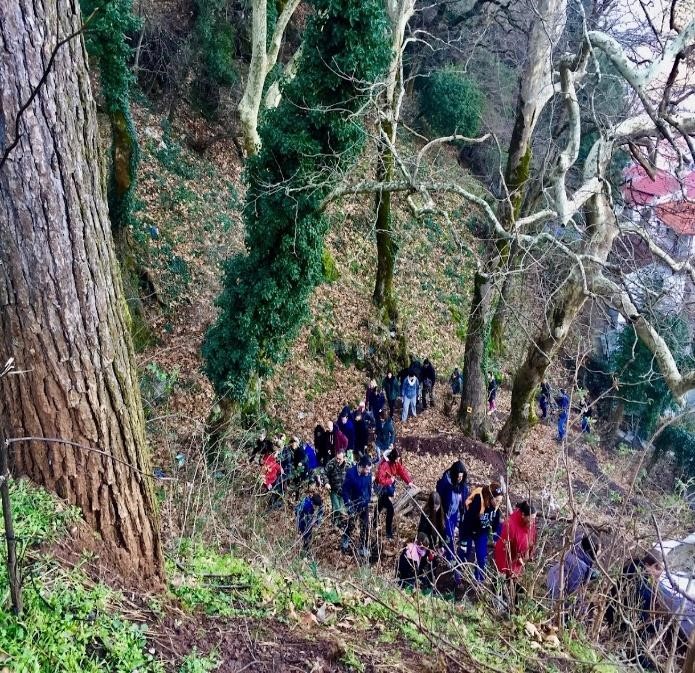
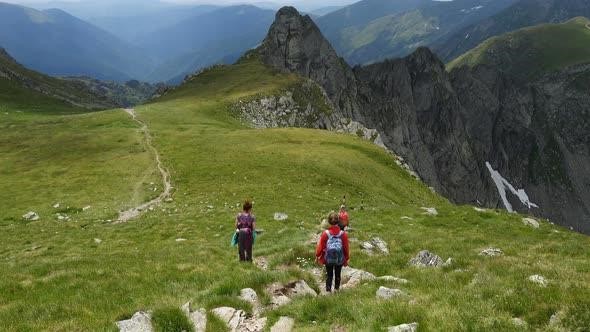
- Cross-regional insights were gathered from different mountain areas, including Olympus (Greece), Rila (Bulgaria) and the Carpathians (Poland).
- ► The project promoted participatory approaches to climate resilience:
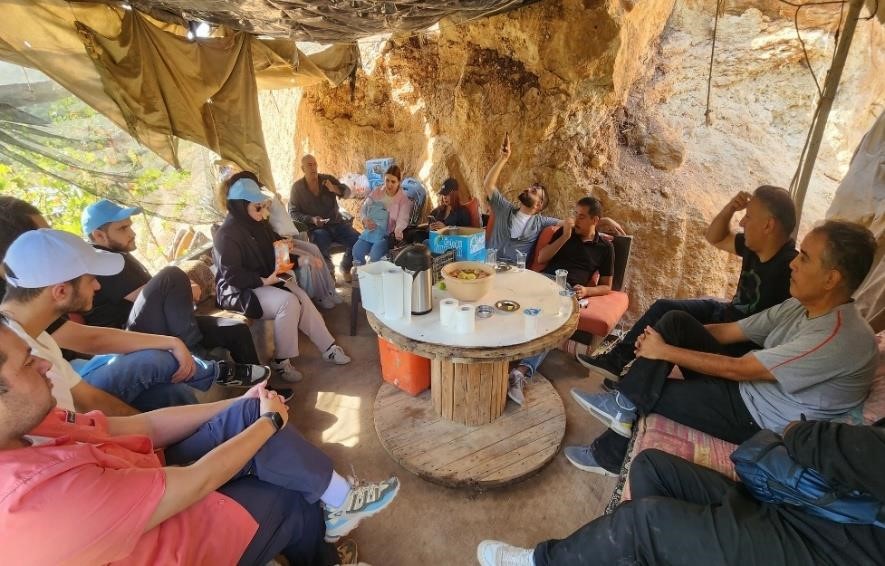
- Living Labs engaged more than 70 stakeholders in identifying local challenges and co-developing adaptation strategies.
- Six structured sessions enabled knowledge exchange and collaborative problem-solving.
- ► PeakED contributed to the development of locally relevant adaptation strategies:
- Five adaptation strategies were co-created, focusing on sustainable tourism, ecosystem protection and climate risk mitigation.
- These strategies reflect both scientific knowledge and local experience.
- ► The project strengthened awareness and capacity on climate resilience:
- Training activities and discussions increased understanding of climate risks and adaptive practices among participants.
- Stakeholders demonstrated increased readiness to integrate resilience into their activities and decision-making processes.
CASE EXAMPLE – CROSS-MOUNTAIN INSIGHTS
As part of the Climate Resilience Assessment, PeakED explored climate-related challenges across different mountain regions. In Mount Olympus (Greece), participants highlighted increasing pressure from tourism and seasonal environmental stress. In the Rila Mountains (Bulgaria), concerns focused on biodiversity loss and ecosystem imbalance, while in the Carpathians (Poland), stakeholders emphasized the impact of changing weather patterns on local livelihoods.
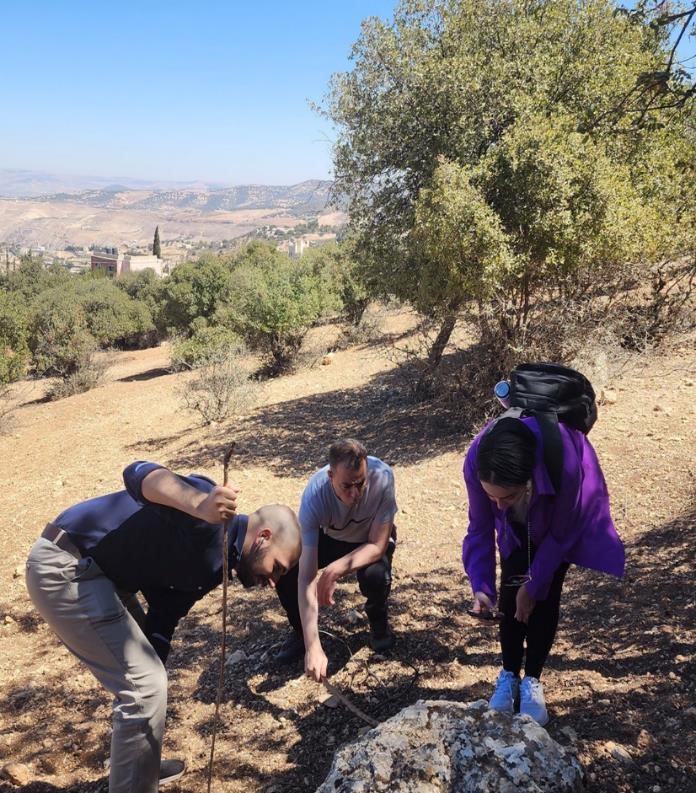
In Jabal Umm Ad Dami (Jordan), discussions revealed challenges related to water scarcity, extreme temperatures and the increasing vulnerability of fragile desert-mountain ecosystems. Despite regional differences, common challenges emerged across all areas, including the need for better integration of climate risks into planning, increased environmental awareness and stronger collaboration among stakeholders.These findings confirm that while climate impacts vary geographically, shared approaches such as participatory governance, education and sustainable practices can effectively support resilience across mountain ecosystems.