Guidelines for Green Audit & Green Options
Green guidance: strategies for protection and preservation
To effectively protect mountain areas, interventions must be a mix of active environmental restoration and sustainable economic empowerment for the communities that call these regions home.
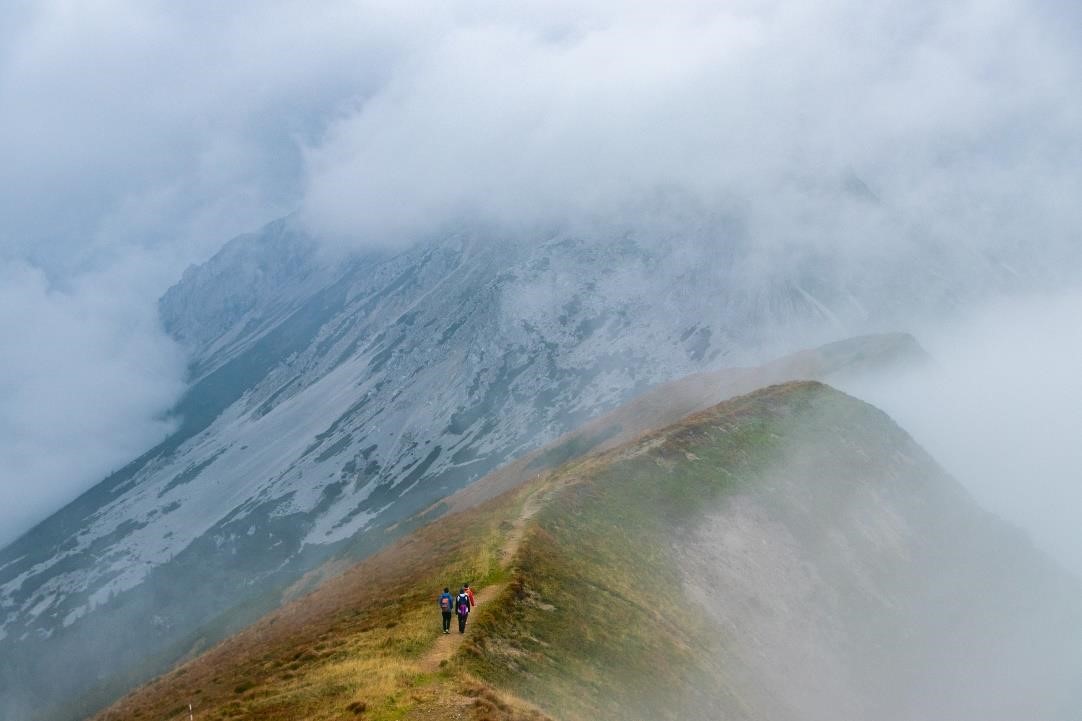
Source:Magnific
Active Environmental Restoration
- Establish dedicated environmental heritage restoration programs focused on preserving regional ecology.
- Create local plant nurseries equipped with greenhouses to cultivate and repopulate endangered native plants.
- Focus on high-impact, regionally specific flora, ranging from endemic alpine herbs and medicinal plants to critical native trees essential for the local ecosystem.
- Plant native trees and vegetation in vulnerable valleys and slopes to stabilize the soil, prevent erosion and combat habitat degradation.
Sustainable Agriculture and Animal Care
- Promote natural grazing practices that allow native livestock and local wildlife to forage indigenous plants instinctively, reducing the strain on the ecosystem.
- Ensure animals have access to a diverse diet of hardy native flora that provides essential minerals and nutrients.
- Monitor local water usage carefully; adapt watering schedules and practices to the season and the specific biological needs of the local fauna to conserve vital mountain watersheds.
Community and Economic Empowerment
- Support local cooperatives and community associations that implement projects merging community development with climate change adaptation.
- Foster sustainable eco-tourism initiatives that provide authentic cultural experiences without depleting natural resources.
- Train community members in income-generating skills like traditional handicrafts, sustainable gardening, and local food preservation to reduce reliance on resourceheavy industries.